
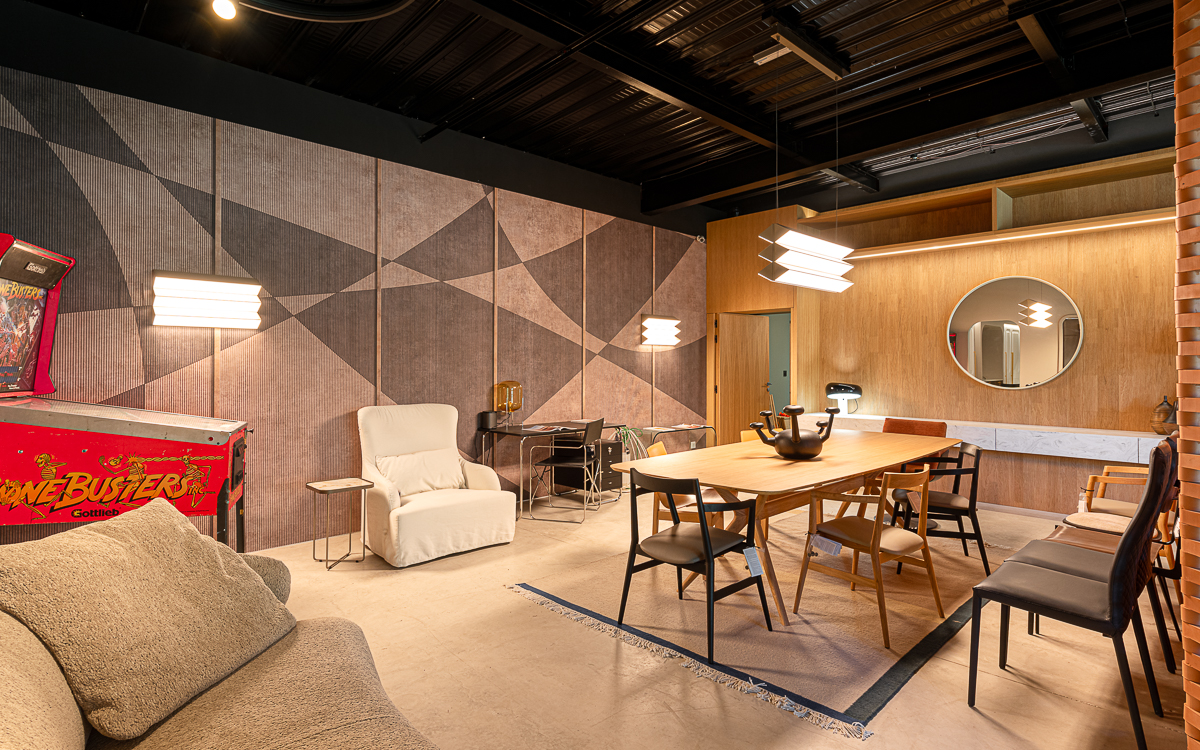
When planning an interior design project, the initial steps are often taken remotely: online research, visual inspiration, and theoretical discussions. However, these elements aren’t always enough to visualize the project in concrete terms. This is where the design showroom plays a crucial role. It allows you to test ideas against reality, feel the materials, and better understand the choices that will shape an interior. When properly integrated into a project, the showroom becomes a valuable decision-making tool.
Understanding the Design Showroom
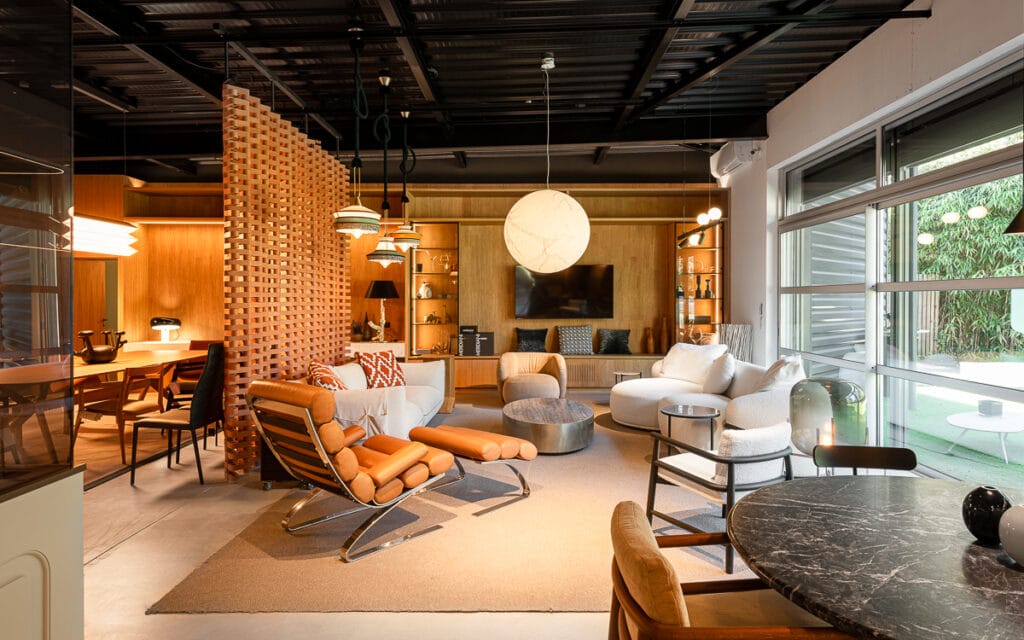
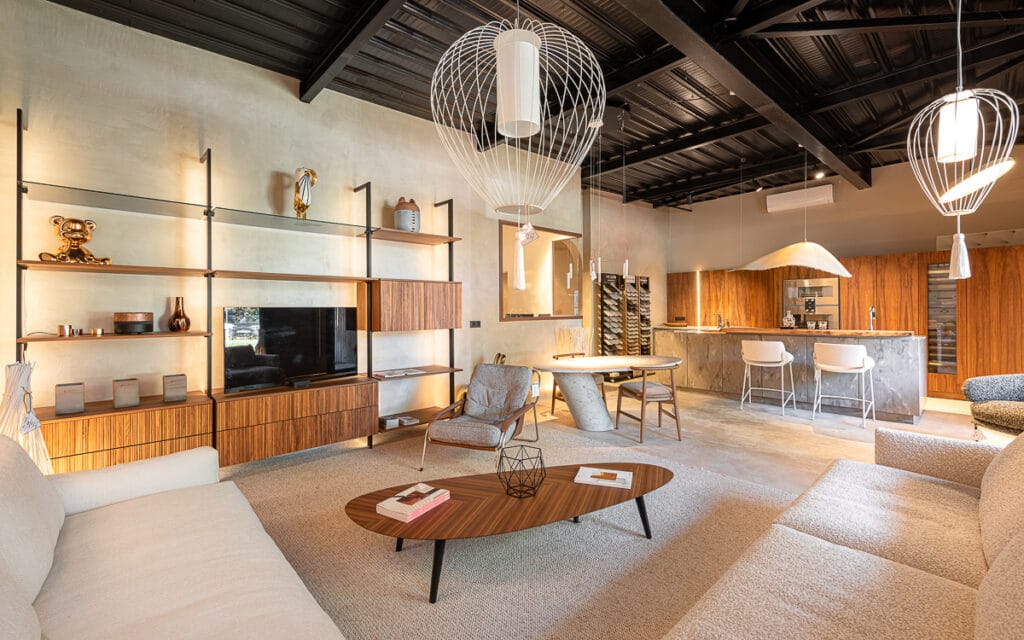
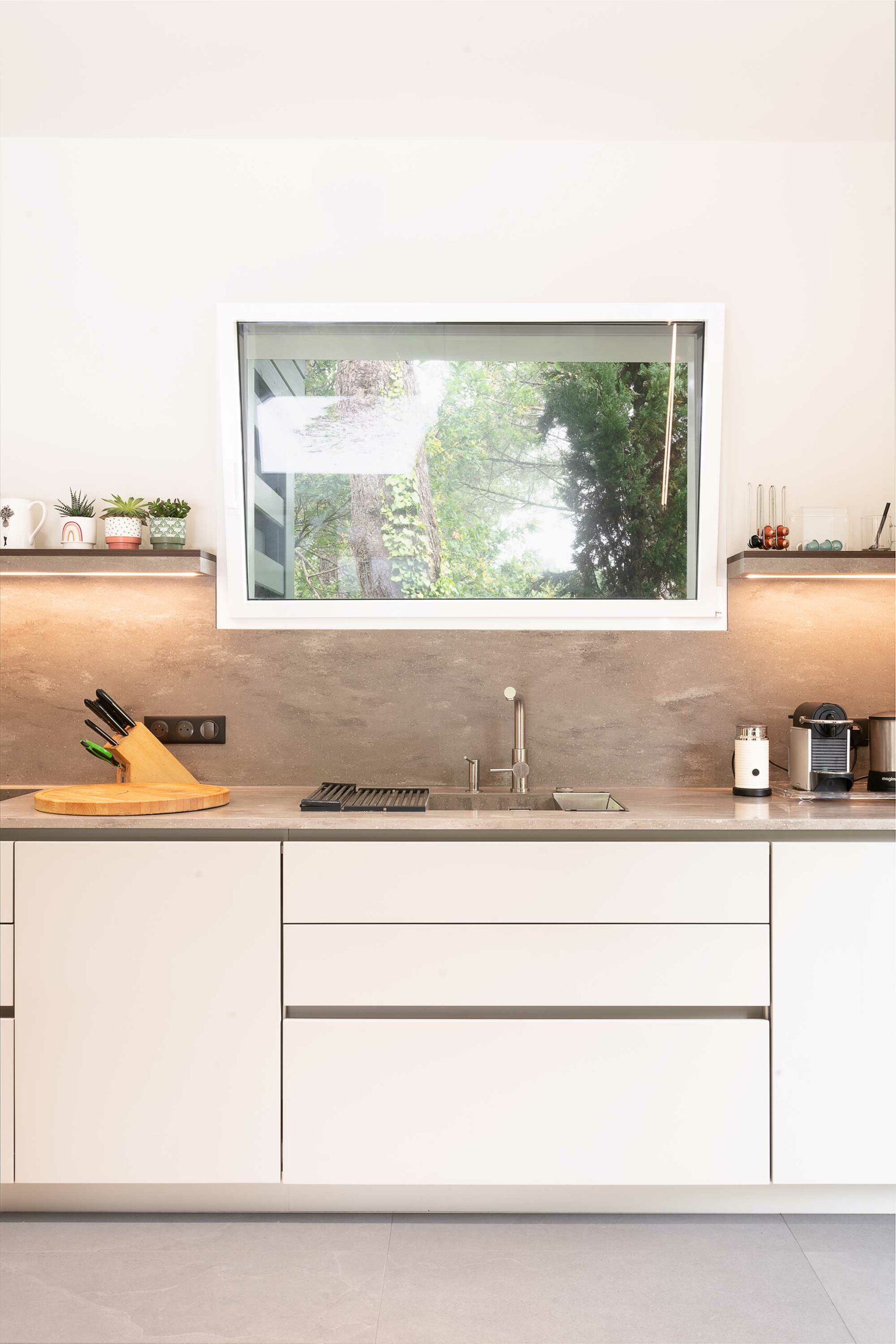
A design showroom is more than just an exhibition space. It is a place designed to showcase atmospheres, material combinations, spatial volumes, and real-world applications.
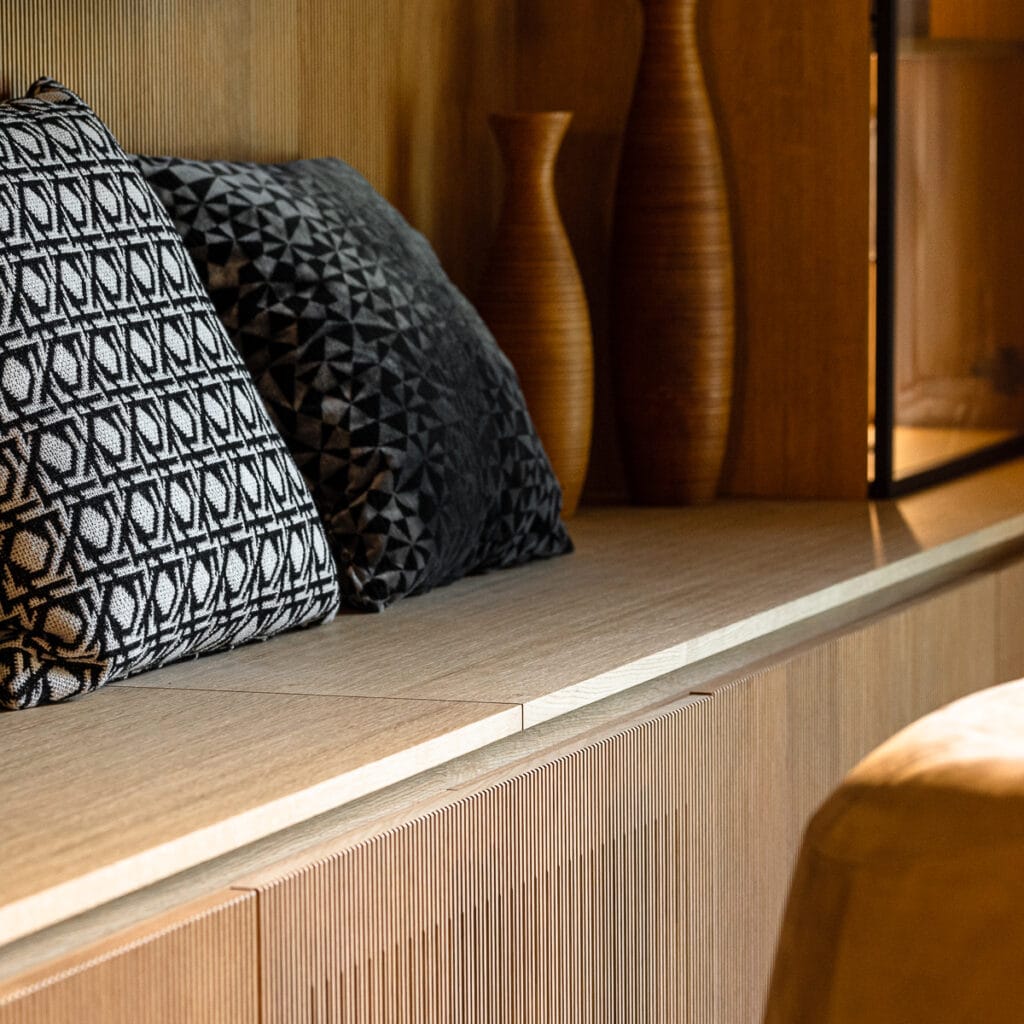
Unlike digital media, a showroom offers a hands-on experience: visitors can observe proportions, touch materials, appreciate finishes, and understand how the elements interact with one another.
In an interior design project, this sensory aspect is essential for refining choices and avoiding hasty decisions.
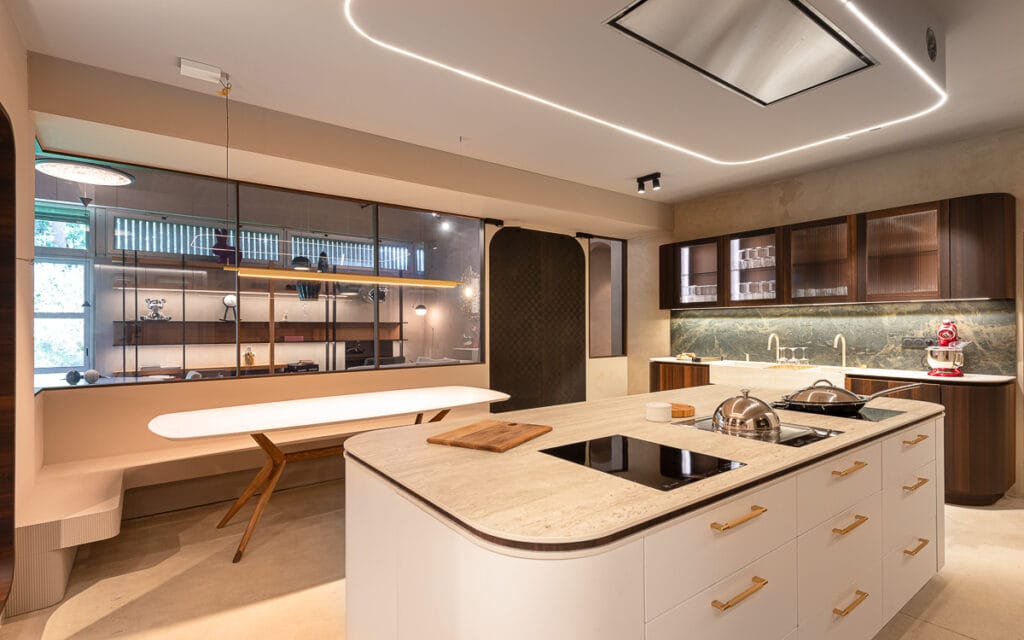
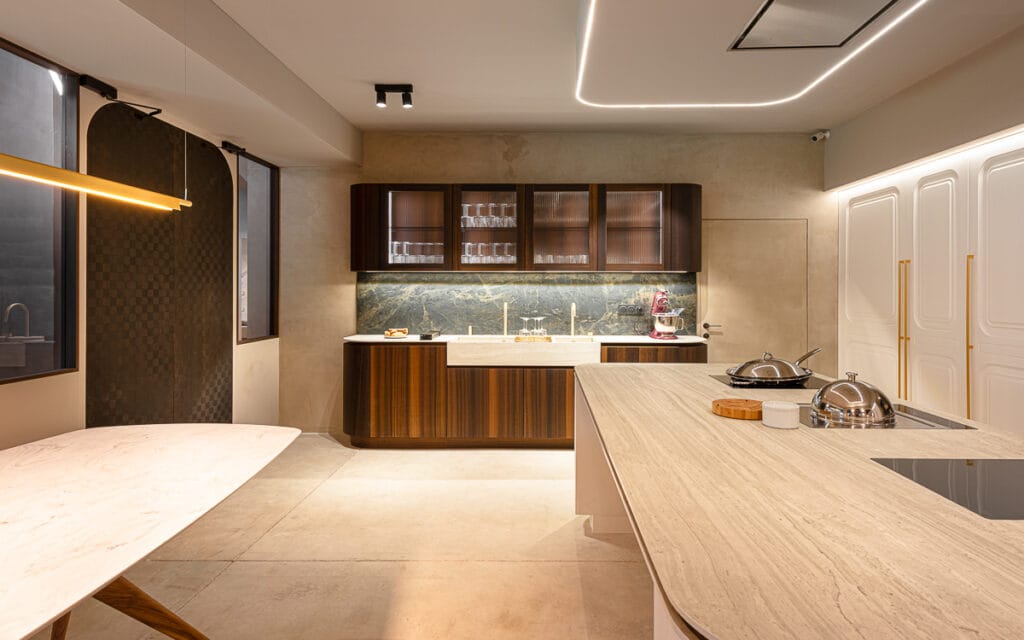
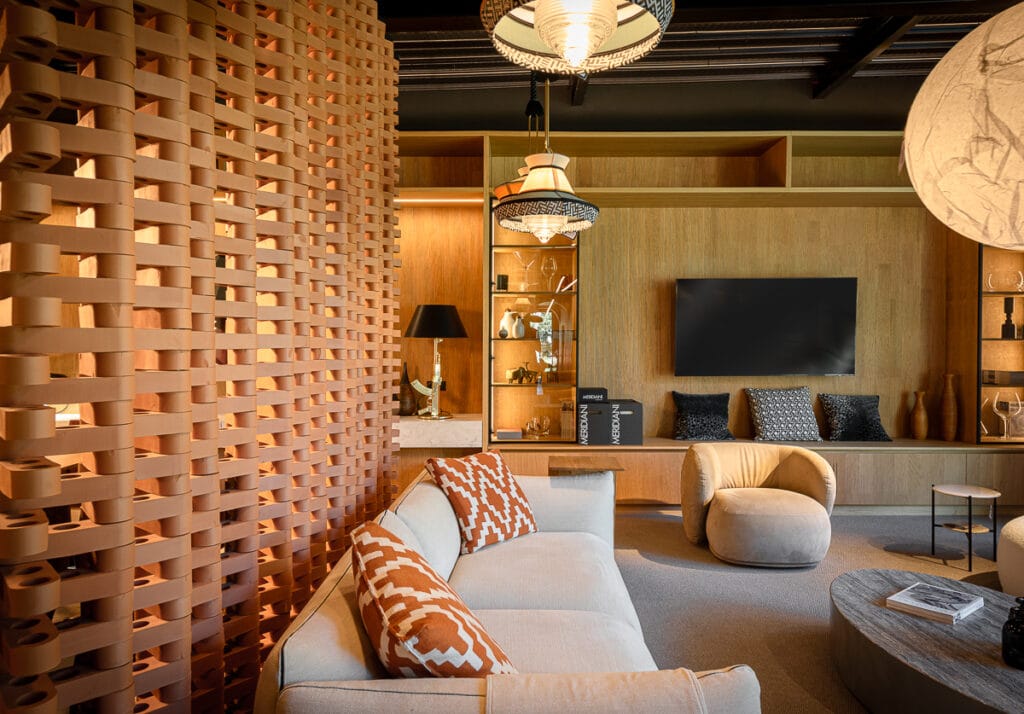
Why the design showroom is so important
In a local setting like Capbreton, where many projects involve primary or secondary residences, the design showroom serves as a concrete point of reference. It helps clients visualize their vision and makes it easier to feel confident in their decisions before committing to a project.
The showroom serves as a key driver for:
- bridge the gap between inspiration and reality,
- compare options objectively,
- approve aesthetic and functional choices,
- gain clarity before the design or implementation phase.
👉 Our design showroom in Capbreton (Landes)
Different Approaches to Showroom Design
The showroom as a source of inspiration
The showroom allows visitors to explore fully realized interior schemes, designed as cohesive whole. It helps identify styles, material combinations, or layout solutions that one might not have thought of on their own.
The showroom as a tool for showcasing
Seeing a piece of furniture, a light fixture, or a material in a real-life setting makes it easier to visualize how it would look in your own home. The proportions, lighting, and functionality become clearer than they would be from a simple image.
The showroom as a space for interaction
The showroom is also a place for dialogue. It provides an opportunity to discuss the project’s constraints, refine choices, and compare initial ideas with concrete, tailored solutions.
Comparison of sources of inspiration
| Support | Main advantage | Limit |
|---|---|---|
| Online images | Quick access to inspiration | Partial perception |
| Catalogs | Structured vision | Lack of real-world context |
| Design Showroom | Practical experience | Requires travel |
Best practices and common mistakes to avoid
Best practices
- Visit a showroom before starting the project
- Observe the combinations of materials and volumes
- Take the time to discuss actual usage
Common Mistakes
- Relying solely on digital images
- A jumble of random ideas
- Validating choices without testing them against reality
Real-world examples or use cases
In the projects supported by DarromanDesign®, the showroom often serves as a pivotal step.
For example, it allows you to:
- validate a design concept before the design phase,
- compare different finishes or materials,
- refine a layout or interior design plan,
- to provide reassurance regarding key decisions before they are implemented.
This approach helps ensure that projects are more coherent and better managed.
FAQ – Design Showroom
Why visit a showroom before starting an interior design project?
A showroom lets you see how your ideas translate into reality, feel the materials, and get a better sense of the space, which helps you make more confident decisions early on.
Is a showroom useful even if you don't have a specific project in mind?
Yes. It is often the first step in clarifying your ideas, refining your tastes, and organizing your thoughts before embarking on a project.
Can I visit a showroom without an appointment?
Depending on the business, some showrooms welcome walk-ins to encourage exploration and discussion of interior design projects.
Conclusion
A design showroom plays a central role in a successful interior design project. By offering a tangible, sensory experience, it helps clients better understand the aesthetic and functional considerations of a design.
Visiting a showroom is often a crucial step in transforming an abstract idea into a cohesive, well-executed, and sustainable project.
0 comments