
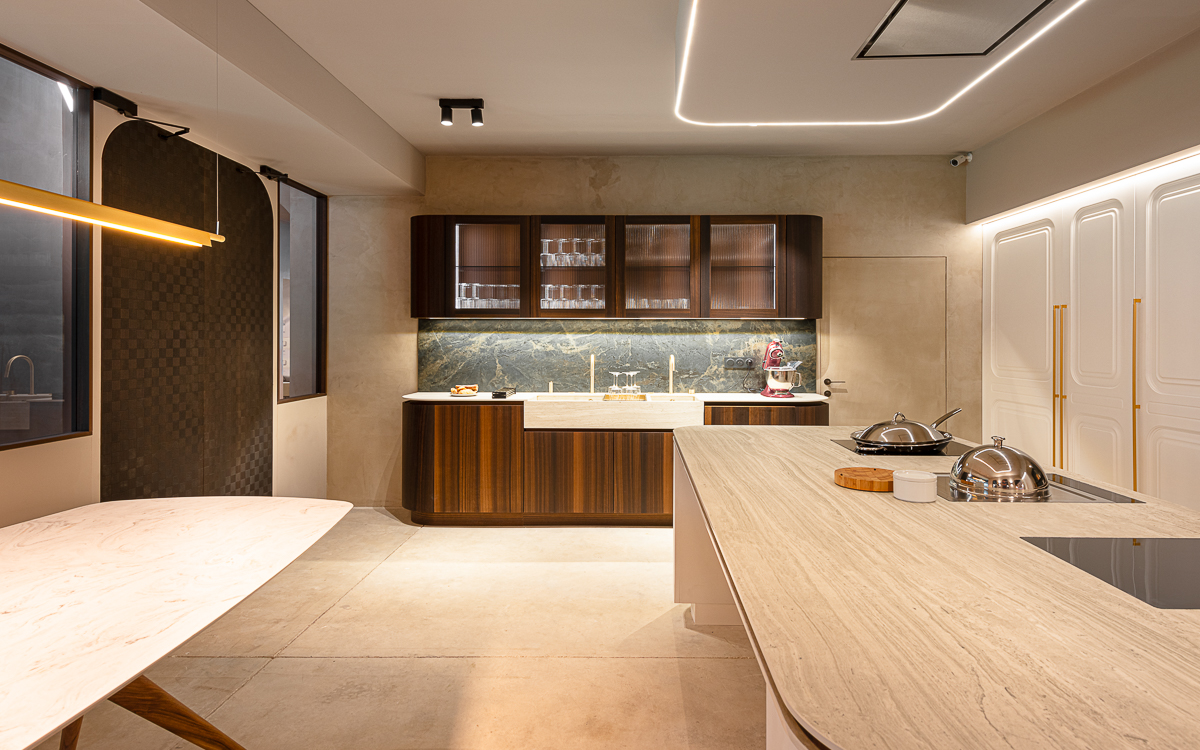
Aninterior design project rarely begins with floor plans or decorative choices. It usually starts with a vague need: to live more comfortably in one’s space, to improve functionality, to create a sense of coherence, or to anticipate a change in life circumstances.
To turn this intention into a successful project, a structured approach is essential.
Understanding the different stages of an interior design project allows you to better visualize the outcome, avoid common mistakes, and make informed decisions that align with your lifestyle and living environment.
Understanding Interior Design
Interior design involves conceiving, organizing, and transforming interior spaces while taking into account their intended use, spatial dimensions, lighting, and technical constraints.
Unlike a purely decorative approach, it focuses on the functional structure of the space: circulation, room layout, space optimization, the integration of custom elements, and the overall coherence of the project.
This field lies at the intersection of spatial planning, layout, and design, with a particular focus on sustainability and the practical use of spaces.
Why Interior Design Is Important
A poorly structured project often leads to inconsistent choices, forced compromises, or costly adjustments down the line.
Interior design, on the other hand, allows you to plan ahead, prioritize decisions, and ensure a comprehensive overview from the very beginning of the project.
It serves as a key tool for:
- optimize existing volumes,
- improve traffic flow and everyday comfort,
- ensure aesthetic and functional consistency,
- intelligently incorporate furniture and custom-made pieces.
👉 Our interior design services in the Basque Country and southern Landes
Different Approaches to an Interior Design Project
Analysis of the site and its uses
The first step is to observe and understand the existing conditions.
This phase involves analyzing the building’s volumes, natural light, technical constraints, and current uses. It helps identify areas of conflict and opportunities for the site’s future development.
Program Description
Based on this analysis, the requirements are formalized: expected functions, priorities, budget constraints, and timeline.
The program serves as a common foundation and prevents misunderstandings between the initial intent and the final project.
Space Design
This stage gives shape to the project. It results in design proposals, plans, and sometimes perspective or 3D renderings.
The goal is to explore different spatial layouts and arrive at a solution that strikes a balance between aesthetics and functionality.
Interior Design and Custom Work
Layout plays a key role in interior design.
Built-in storage, kitchens, bookshelves, and custom fixtures help maximize every square foot and ensure visual continuity between spaces.
Comparison Table of Key Milestones
| Project phase | Main objective | Contribution to the project |
|---|---|---|
| Site Analysis | Understanding the current situation | Anticipating constraints |
| Program Description | Clarify the needs | Shared vision and priorities |
| Design | Organizing spaces | Consistency and functionality |
| Custom design | Optimize and integrate | Usability and durability |
Best practices and common mistakes to avoid
Best practices
- Take the time to clarify actual usage before beginning any design work
- Prioritize tasks rather than trying to do everything at once
- Think of the project as a whole, not piece by piece
Common Mistakes
- Focusing solely on aesthetics from the start
- Underestimating the importance of layout and customization
- Making a series of decisions without a big-picture view
Real-world examples or use cases
In the projects supported by Darroman Design®, interior design allows, for example:
- to renovate an existing home by optimizing the layout,
- to rethink an open living space to make it more intuitive,
- to incorporate custom-made furniture to enhance comfort without detracting from the aesthetic.
Each project is designed with the location, its surroundings, and the lifestyles of its occupants in mind.
FAQ – Interior Design
When should you hire an interior designer?
Whenever a project involves planning the layout, dimensions, or use of spaces, it makes sense to consult an interior designer early on, before making any technical or aesthetic decisions.
Does an interior design project always involve construction work?
No. Some projects focus solely on reorganization, layout, or the integration of custom solutions, without major structural changes.
How long does an interior design project take?
The duration depends on the complexity of the project. It can range from a few weeks for the design phase to several months when construction is included.
Conclusion
Aninterior design project relies above all on a clear, step-by-step approach. Every stage, from the initial analysis to the design of the spaces, contributes to the quality of the final result.
By taking the time to organize thedesign process and anticipate how the spaces will be used, it becomes possible to create interiors that are cohesive, functional, and suited to everyday life, while avoiding last-minute adjustments and hasty decisions.

0 comments