
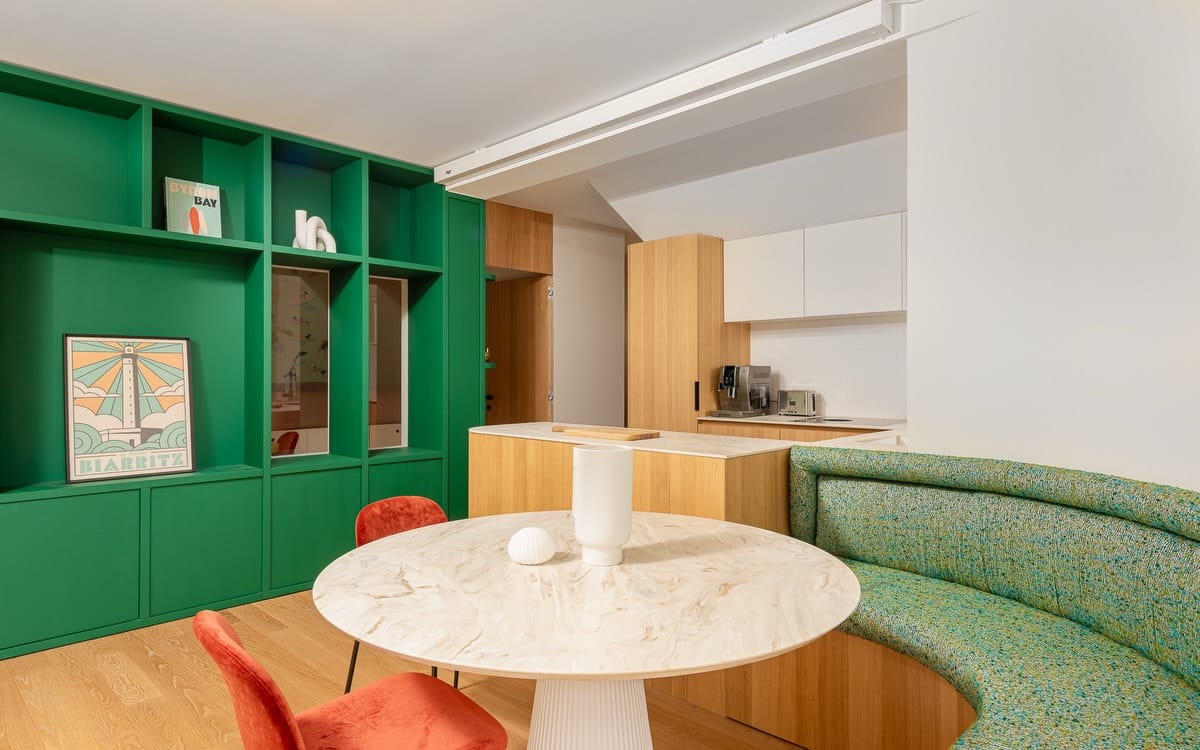
Choosing a professional to help with an interior design project is an important step. Whether you’re working with an interior architect, a decorator, a design consultant, or a renovation company, their skills and approaches can vary. For a homeowner, it’s not always easy to understand the differences or know when to call in a specialist.
In the Landes region and the Basque Country, projects often have specific characteristics related to local architecture, the climate, or seasonal uses. Choosing the right interior designer allows you to anticipate these constraints and create a cohesive, functional, and sustainable design.
| Article Summary: Choosing an interior designer is about more than just liking a style or a portfolio. Above all, it involves finding a professional capable of understanding the constraints of the space, guiding decision-making, and structuring the project as a whole. This article explains the essential criteria for selecting an interior designer in the Landes and the Basque Country, the mistakes to avoid, and the key points to verify before embarking on a design project. |
The actual role of an interior designer in a project
An interior designer is responsible for designing and organizing the spaces within a home or commercial setting. Their role goes beyond aesthetics; it involves analyzing the layout, intended uses, and technical constraints in order to propose a cohesive solution.
In a development project, they may be involved in the following tasks:
- rethink the flow between rooms
- optimize existing volumes
- design custom layouts
- coordinate the various project stakeholders
This comprehensive approach helps avoid inconsistencies between the architecture, furniture, and decor.
| 👉 Discover our interior design services in the Landes and the Basque Country. |
Why choosing the right professional is crucial
Not all development projects require the same level of support. In some cases, occasional advice is sufficient; in others, a comprehensive approach is essential.
Choosing an interior designer who is a good fit for the project allows you to:
- clarify the project's objectives
- anticipate technical constraints
- manage the organization of the work
- ensure aesthetic and functional consistency
In regions such as the Landes or the Basque Country, where homes may have distinctive architectural features (Landes-style homes, Basque-style homes, coastal residences), this expertise becomes particularly valuable.
Criteria for Choosing an Interior Designer
Review past achievements and completed projects
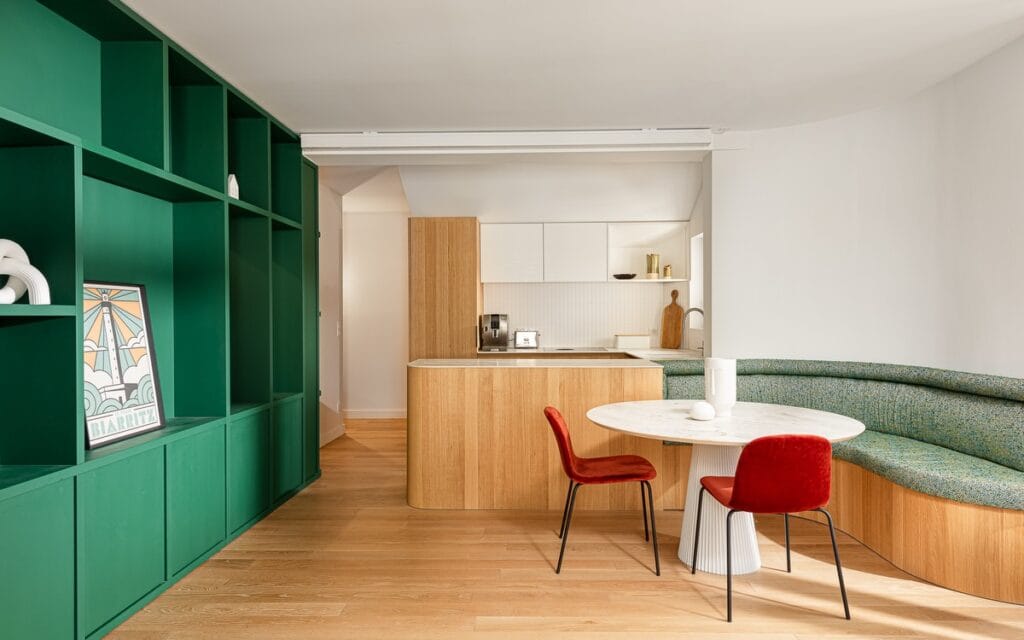
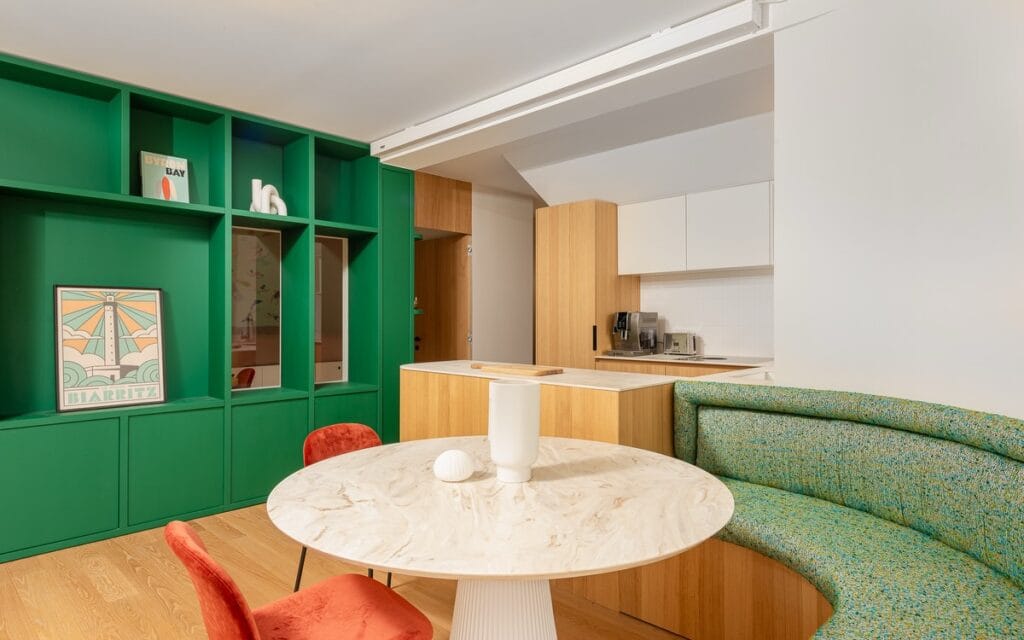
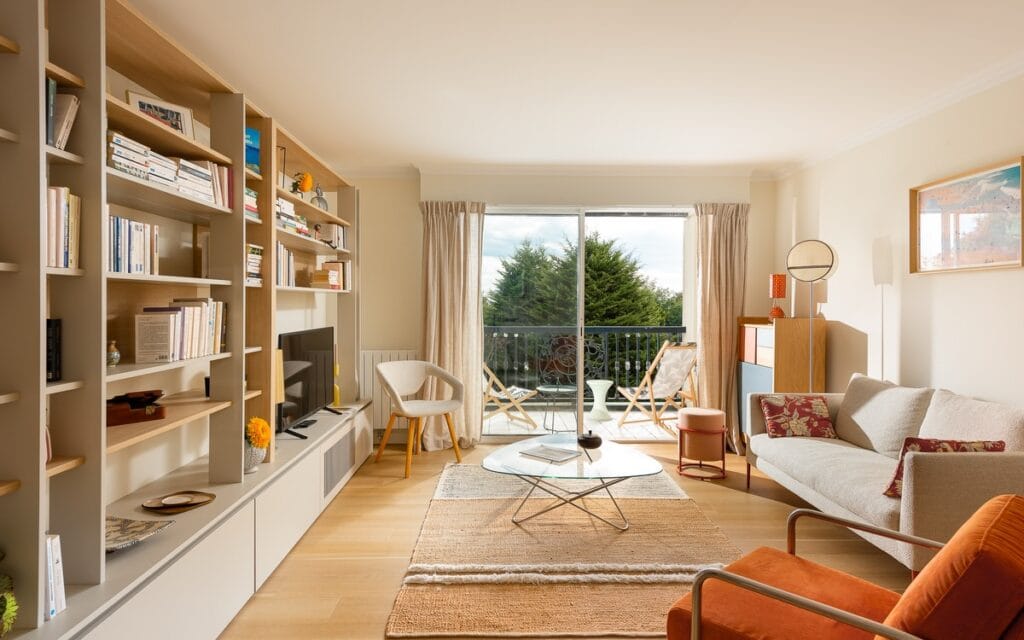
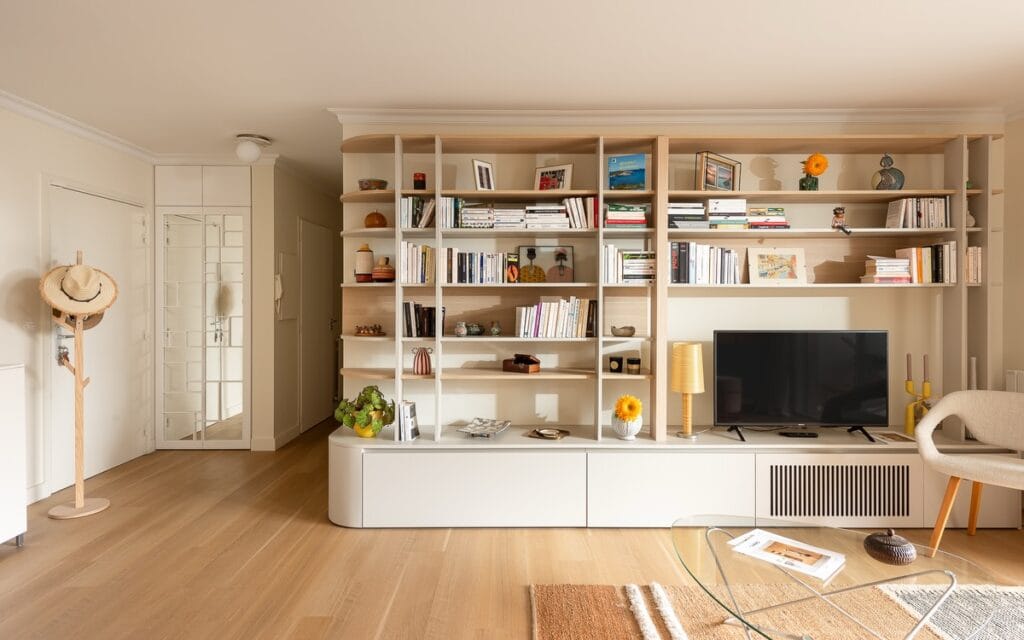
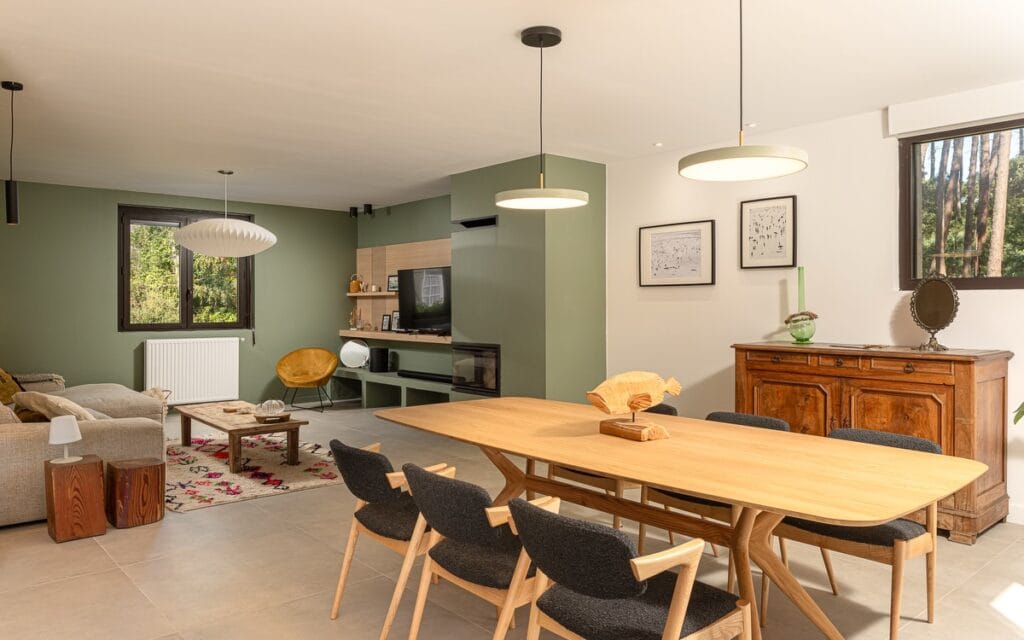
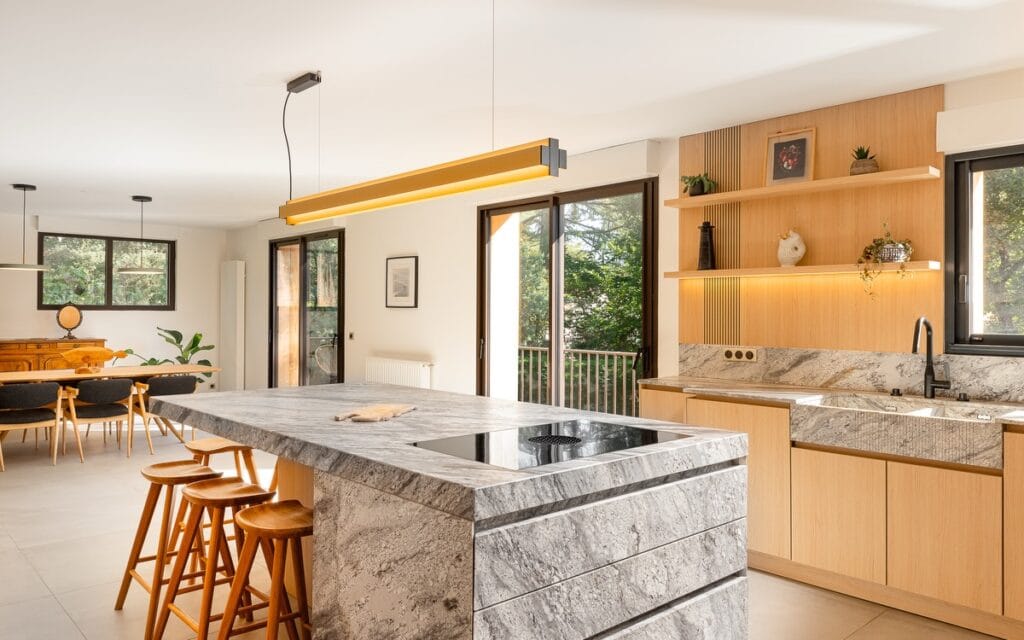
The primary indicator remains practical experience. Completed projects allow us to assess the diversity of the projects, the quality of the designs, and the coherence of the proposals.
Reviewing detailed projects helps you understand the professional's approach.
Verify understanding of the project
A good interior designer first seeks to understand the occupants’ lifestyle, their constraints, and their priorities. This phase of listening is essential to developing a meaningful design.
Assess the ability to organize the project
A renovation project often involves several stages: design, selection of materials, coordination of contractors, and site supervision. The professional must be able to oversee these various phases.
Comparison of Possible Approaches
| Professional | Lead role | Type of procedure |
|---|---|---|
| Interior Designer | Atmosphere and style | Aesthetics |
| Interior Designer | Organization of volumes | Overall design |
| Construction company | Technical implementation | Implementation |
This table shows that the skills are complementary but serve different purposes.
Common mistakes when choosing a professional
Rely solely on style
Style is important, but it shouldn’t be the only criterion. Understanding the project and the ability to provide support are just as crucial.
Neglecting the technical aspect
A development project often involves structural, technical, or regulatory constraints. Anticipating these from the outset helps avoid costly adjustments.
A jumble of random ideas
There is a wealth of inspiration available online, and it can sometimes be contradictory. An interior designer’s role is precisely to organize these ideas into a cohesive vision.
Examples of situations where intervention is appropriate
In projects supported by darroman design®, the involvement of an interior designer can be helpful in several situations:
- complete renovation of a house
- renovation of an existing apartment
- optimizing living space
- custom design and installation
In these contexts, the goal is to create a cohesive interior that adapts to the space’s intended uses and surroundings.
FAQ – Interior Designer
What is the difference between an interior architect and an interior designer?
An interior designer focuses primarily on the aesthetics and atmosphere of a space. An interior architect works on the layout of spaces, circulation patterns, and the integration of the project’s various elements.
Should you hire an interior designer for a renovation?
When undertaking a major renovation, hiring an interior designer often helps optimize the use of space, anticipate technical challenges, and organize the project as a whole.
Conclusion
Choosing an interior designer is a pivotal decision for any interior design project. Beyond style or aesthetics, the key is to find a professional who can understand the unique challenges of the space, guide decision-making, and develop a cohesive vision for the project. In the Landes and the Basque Country, where homes often have specific characteristics, this expertise makes it possible to design spaces tailored to their intended uses and the local environment.


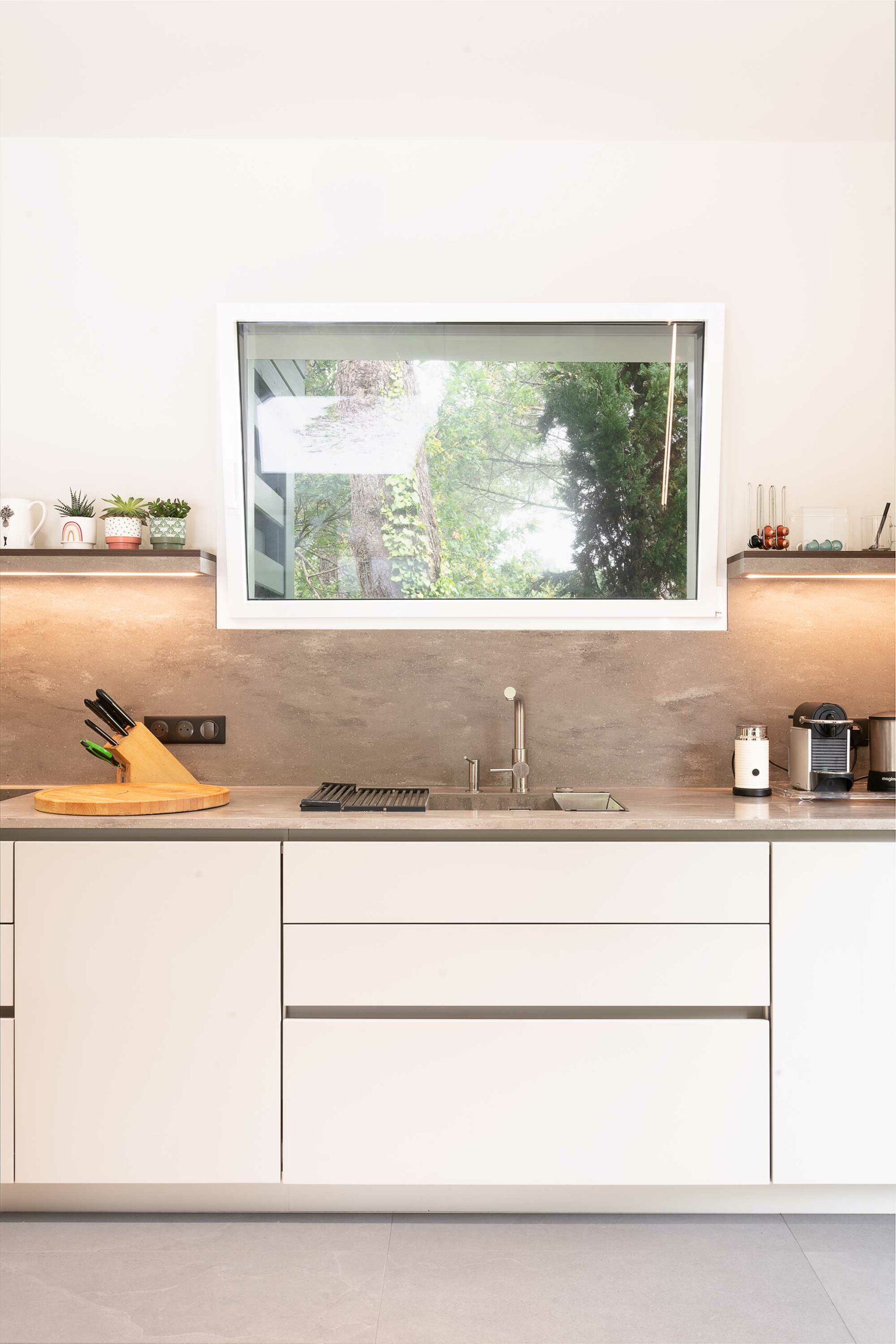
What happens during the first meeting with an interior designer?
The initial discussion typically allows us to understand expectations, assess the site, and establish the project’s broad direction before moving on to a more detailed design phase.